
Translate & Read The Reformation
Discover the Story of the Protestant Reformation.
Explore the origins of spiritual darkness & the events that shaped
the Reformation, revealing the journey toward truth & religious freedom.
1. Destruction of Jerusalem
2. Spiritual Darkness
3. Waldenses
4. John Wycliffey
5. Huss & Jeromey
6. Martin Luther Early Years

Discover the people and events that helped prepare the way for the Reformation.
Translate & Read
Translate & Read The Reformation
Destruction of Jerusalem p. 1
Daughter: Daddy if God really loves us, why does He let so many bad things happen in the world?
Father: It’s because of sin. We cannot explain why sin exists. But we can understand enough about how sin began and how it will end to know that God is just and loving in all His dealings with sin.

Our only definition of sin is found in the Word of God: “Sin is the transgression of the law,” 1 John 3:4. Before the entrance of evil there was peace and joy throughout the universe. All was in perfect harmony with the Creator’s will. Love for God was supreme.
2
Lucifer: Why is he honored above me? I will elevate my throne above the stars of God! I will be like The Most High!!
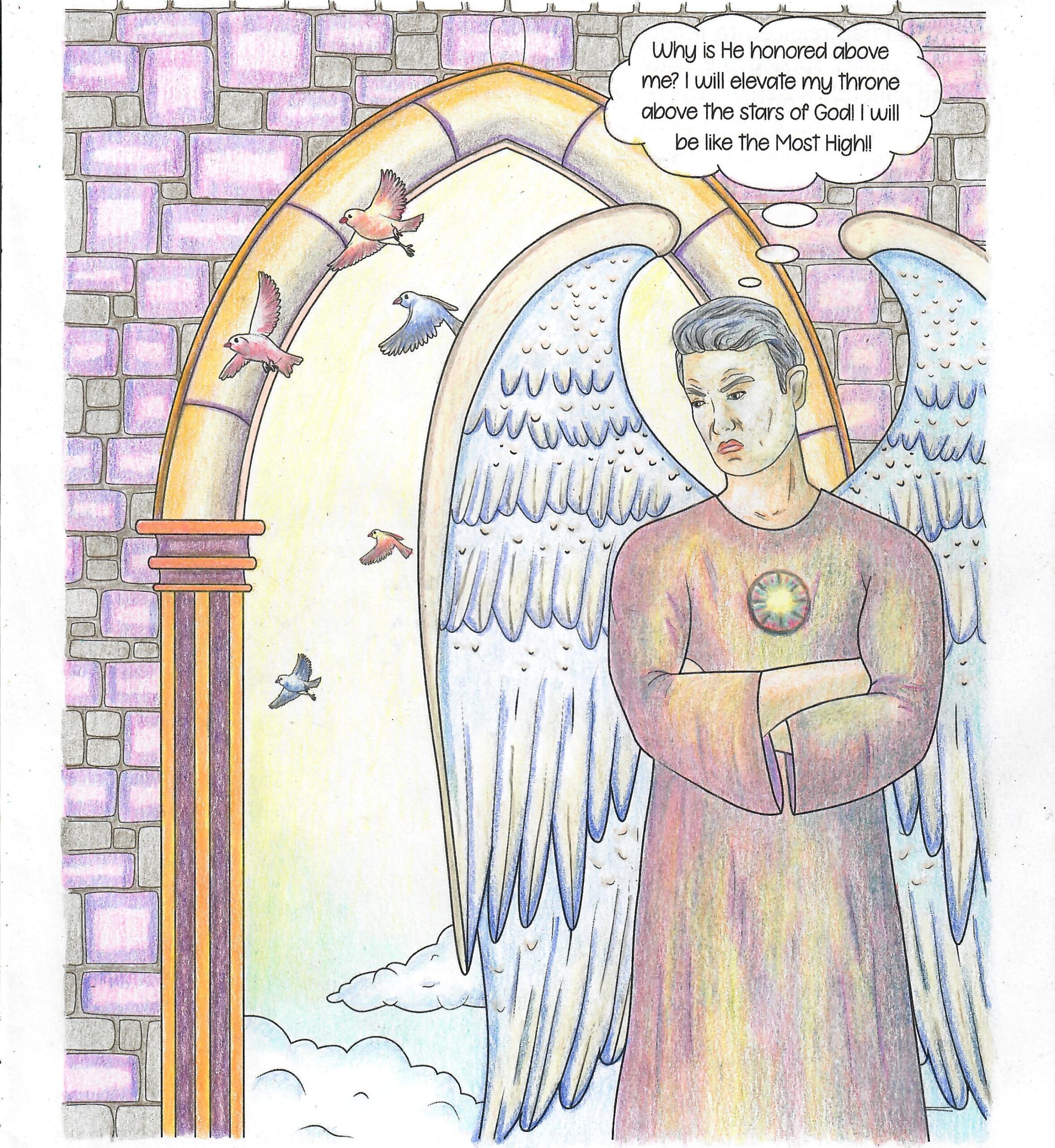
Little by little, Lucifer came to indulge a desire for self-exaltation. He became jealous because Christ participated in all the heavenly meetings with God, while he was not allowed to participate in their divine plans. The mighty angel questioned, “Why should Christ have the supremacy? Why is He honored above Lucifer?”
3
All heaven had rejoiced to reflect the Creator’s glory and sing their praises to God! But now, a conflict spoiled the unity of heaven. God had so much mercy on Lucifer, and worked patiently with him. The heavenly councils pleaded with Lucifer:
God the Father: “Lucifer, we love you! Please give up your sinful thoughts!”
God the Son: “Please repent. We want to forgive you!”
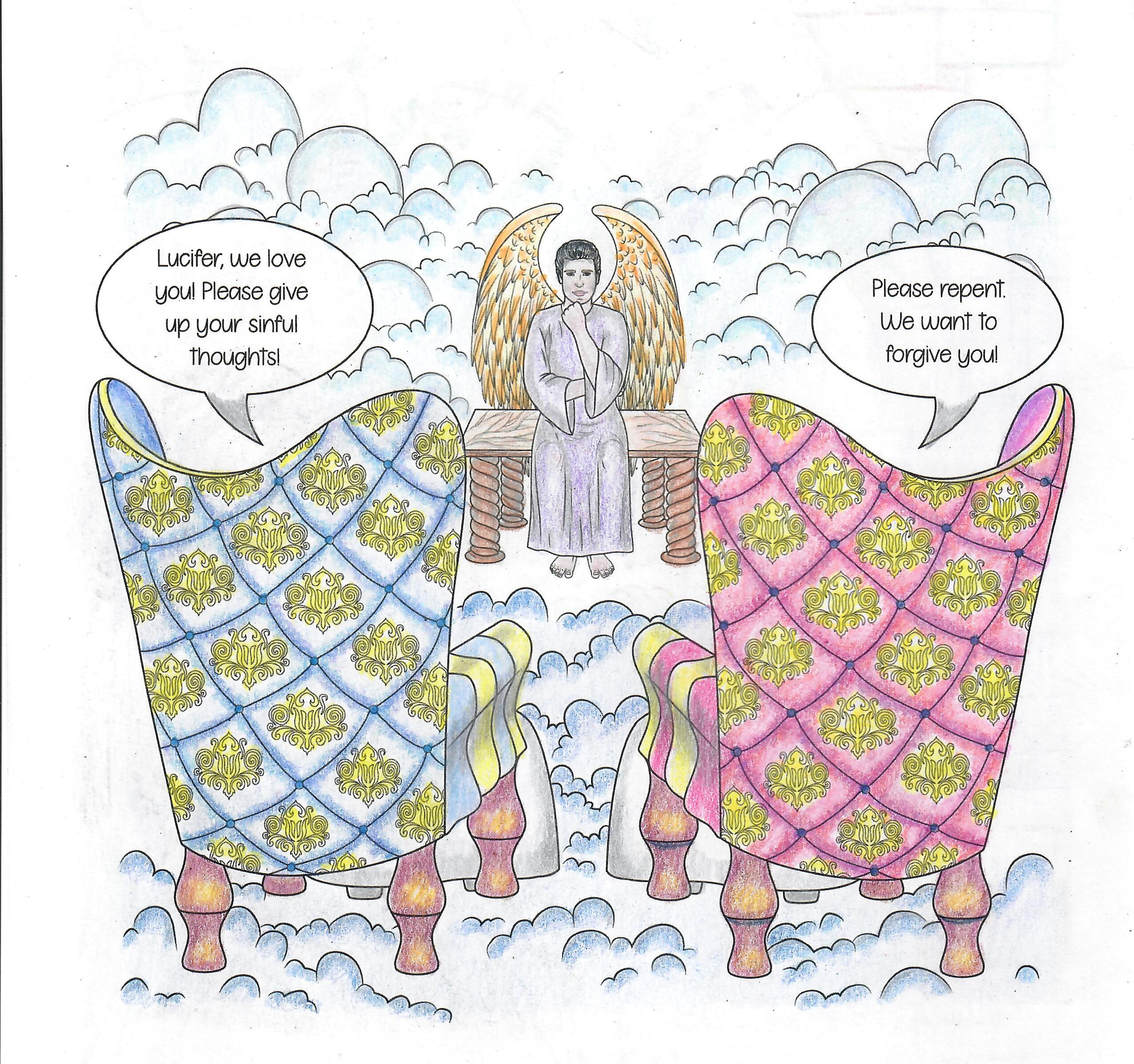
Lucifer was not immediately lowered from his high position when he first expressed his spirit of unhappiness, not even when he began to state his lies in front of the loyal angels. He remained in heaven for a long time. Again and again he was offered forgiveness if he would just feel sorry and give in. Only God’s infinite love and wisdom could have created such efforts to convince him of his error.
4
Spiritual Darkness p. 2-3
Adam and Eve had been warned about this dangerous enemy. If Satan had revealed his real character, they would have resisted him at once. So he worked in the dark, hiding his purpose so that he could more effectively accomplish his goal.

Using the alluring serpent as his medium, Satan asked Eve: “Did God say you should not eat of every tree of the garden?” If Eve had avoided entering into an argument with the serpent, she would have been safe; but she took a risk to negotiate with him and fell victim to his tricks. In the same way, many people are still overcome. They doubt and argue about the requirements of God; and instead of obeying the divine commands, they accept human theories, which only disguise the deceptions of Satan.
5
Waldenses p. 4-7
It was not so much because He appeared without worldly wealth, pomp, or grandeur that the Jews were led to reject Jesus. They saw that He possessed power which would more than compensate for the lack of these outward advantages. In the world’s reception of Jesus was a most striking display of the antagonism that exists between the spirit of Christ and the spirit of Satan.
The purity and holiness of Christ called forth against Him the hatred of the ungodly. His life of self-denial and sinless devotion was a perpetual reproof to a proud, sensual people. It was this that evoked hatred against the Son of God. Satan and evil angels joined with evil men. All the energies of apostasy conspired against the Champion of truth.
6
John Wycliffe p. 8-11
The hatred of the people who rejected His love, and at the last cried, “Crucify Him! Crucify Him!”— aroused the shock and righteous anger of the unfallen universe. Satan’s pent-up fires of envy and malice, hatred and revenge, burst open on Calvary against the Son of God, while all heaven gazed on the scene in silent horror.
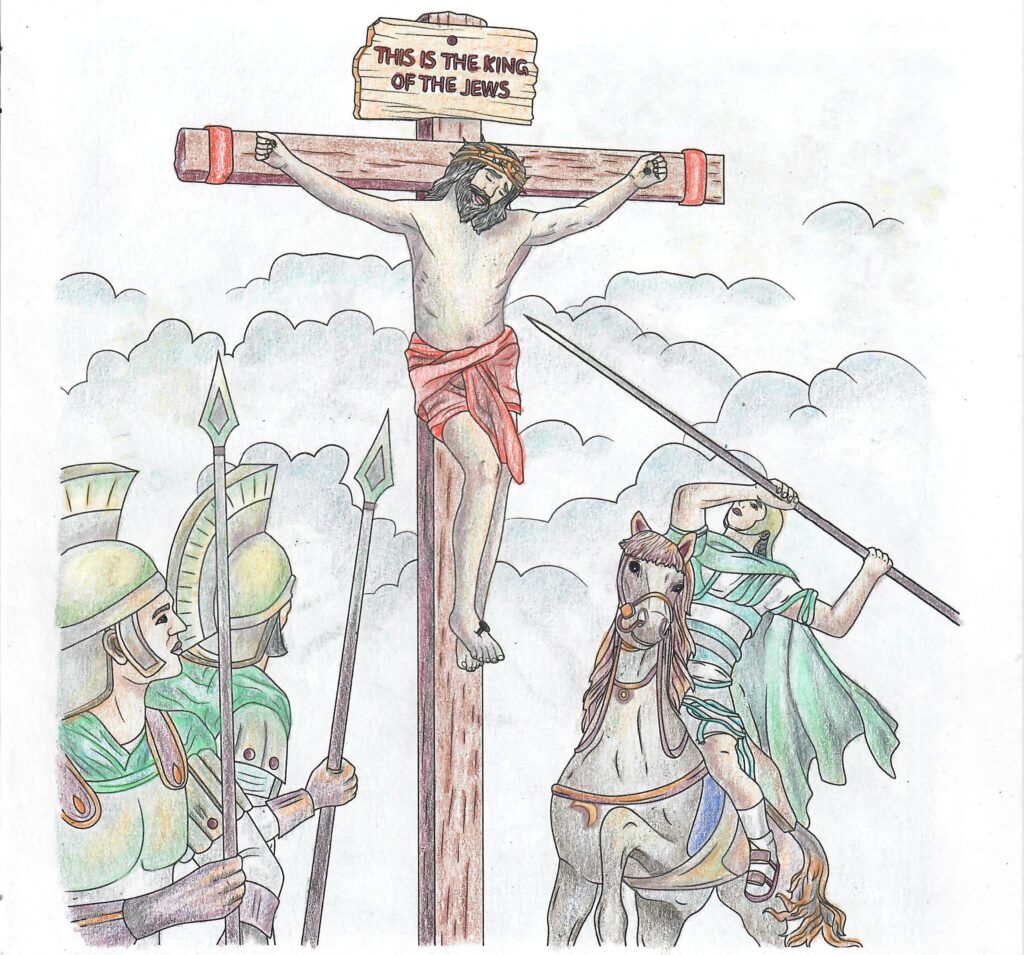
In the atonement, the character of God is revealed. The mighty claim of the cross demonstrates to the whole universe that the path of sin which Lucifer had chosen could in no way be blamed on the government of God. In the Savior’s expiring cry, “It is finished,” the death knell of Satan was rung. The great controversy which had been so long in progress was then decided, and the final eradication of evil was made certain.
7
Huss & Jerome p. 12-18
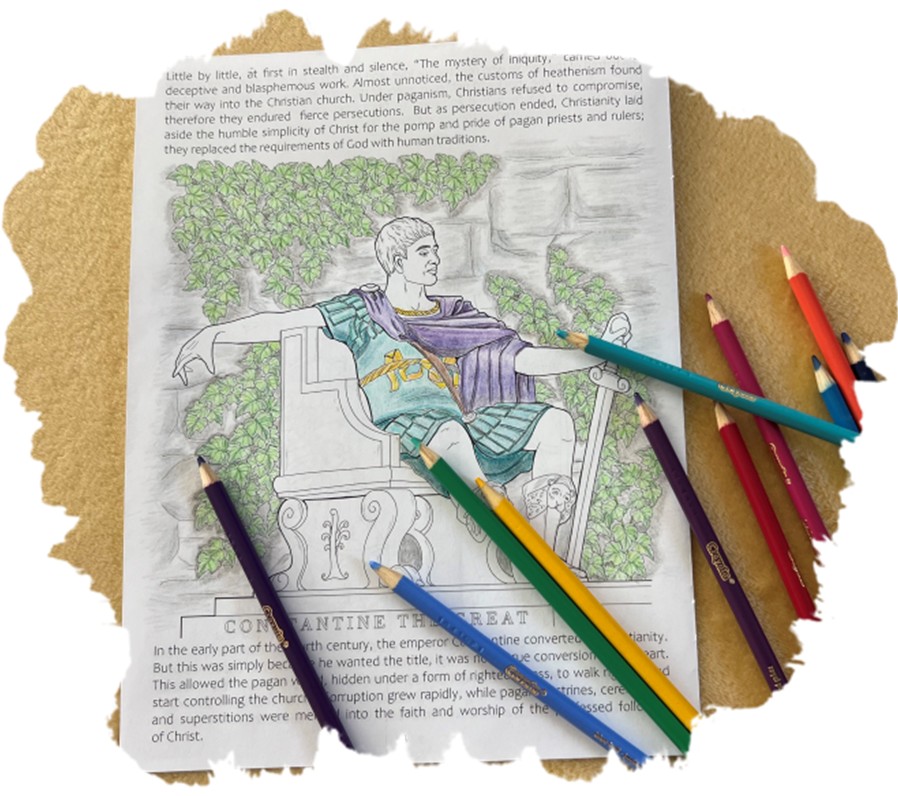
Little by little, at first in stealth and silence, “The mystery of iniquity,” carried out its deceptive and blasphemous work. Almost unnoticed, the customs of heathenism found their way into the Christian church. Under paganism, Christians refused to compromise, therefore they endured fierce persecutions. But as persecution ended, Christianity laid aside the humble simplicity of Christ for the pomp and pride of pagan priests and rulers; they replaced the requirements of God with human traditions.
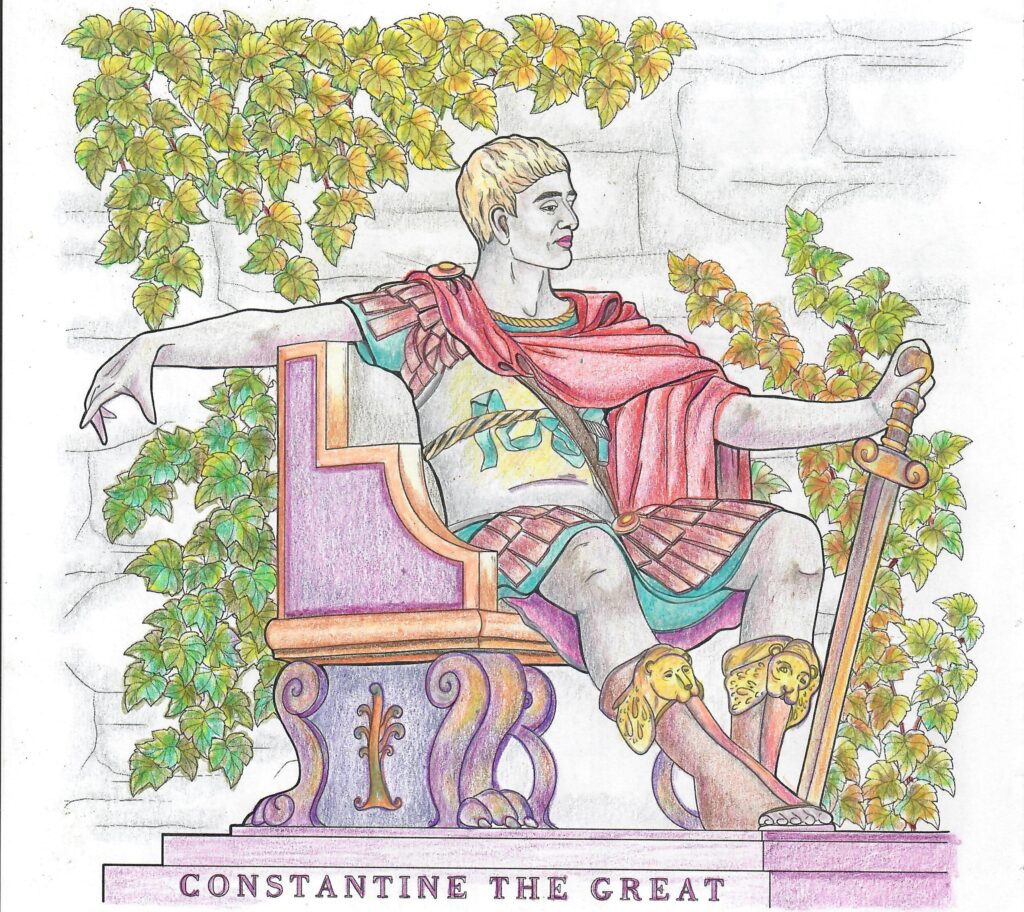
In the early part of the fourth century, the emperor Constantine converted to Christianity. But this was simply because he wanted the title, it was not a true conversion of his heart. This allowed the pagan world, hidden under a form of righteousness, to walk right in and start controlling the church. Corruption grew rapidly, while pagan doctrines, ceremonies, and superstitions were merged into the faith and worship of the professed followers of Christ.
8
Martin Luther Early Years p. 19-22
The world had passed its midnight. In the 1300s in England, John Wycliffe, “The Morning Star of the Reformation,” was to proclaim reforms for all Christendom. The great protest against Rome which he was permitted to express was never to be silenced.
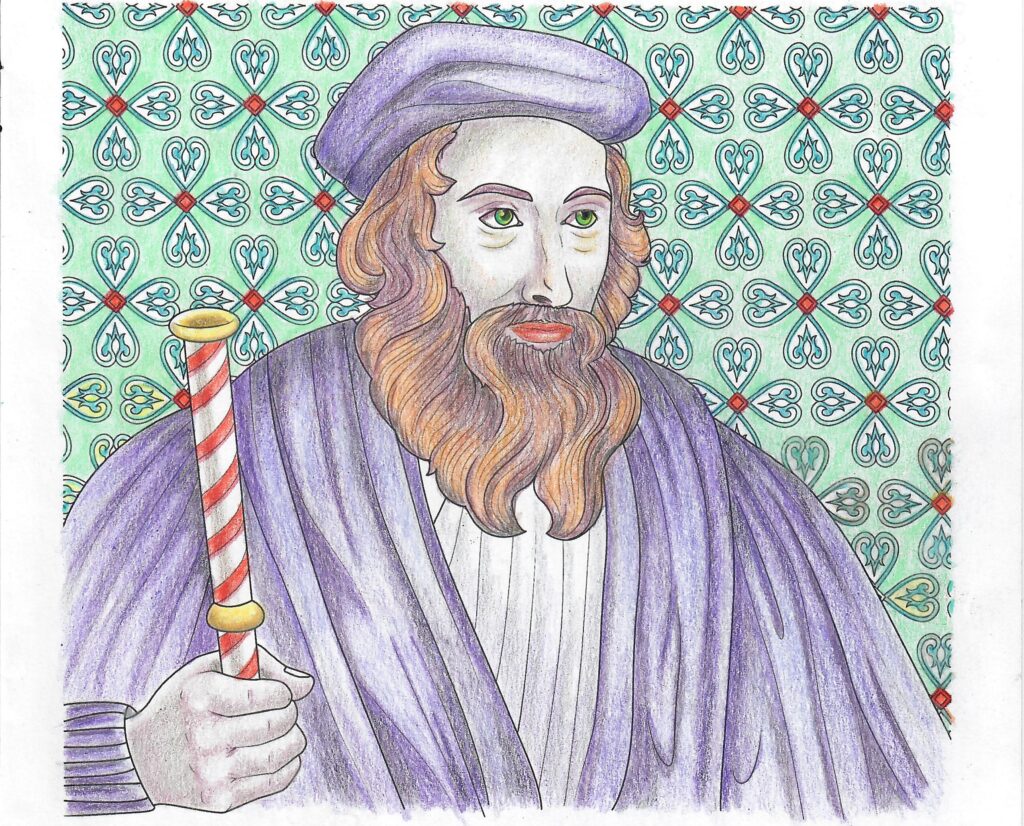
Wycliffe did not purposely set out to resist Rome. But it was his dedication to Bible truths that helped him to see through false teachings. The more clearly he saw the errors of the papacy, the more seriously he taught the morals of the Bible.
· He saw that Rome had abandoned the word of God for human tradition.
· He fearlessly accused the priesthood of eliminating the Scriptures.
· He demanded that the Bible be restored to the people, and that its authority be established in the church once again.
· He showed that it is not reasonable, and it is contrary to the Bible, for the papacy to assume authority over secular rulers.
9
Separation from Rome p. 23-26
Because of Huss’ work, knowledge of the Bible was spread in Bohemia and Germany. Eventually, Huss was called to appear before the pope. Huss went to the meeting ready to face prison and even death. When required to choose whether he would recant his doctrines or suffer death, he accepted the martyr’s fate. At the trial, they placed a paper cap on his head painted with awful figures of demons and Huss exclaimed: “Most joyfully will I wear this crown of shame for Your sake, O Jesus, who did wear a crown of thorns for me!”
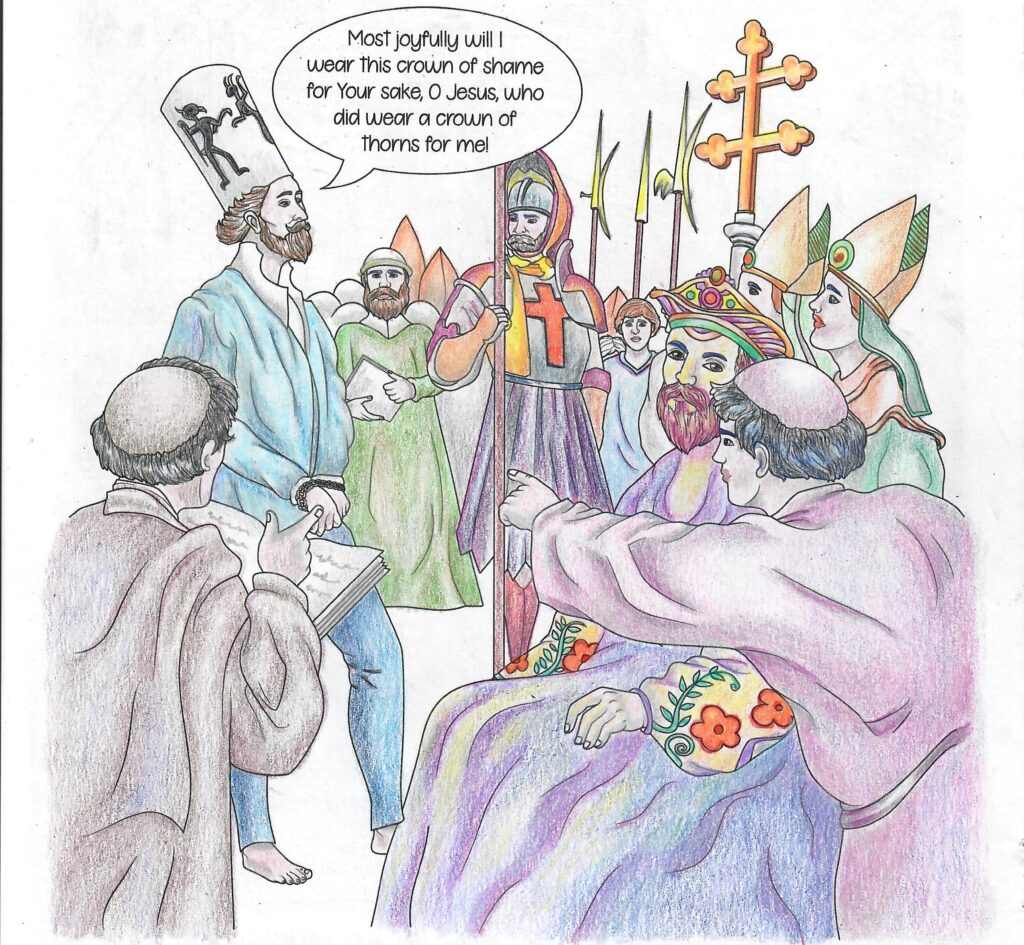
After the bishops put the mocking robe and crown on Huss, they said, “Now we devote your soul to the devil!” “And I,” said John Huss, lifting his eyes up toward heaven, “do commit my spirit into Your hands, O Lord Jesus, for You have redeemed me.”
10
Protest of the Princes p. 27-28
One day while examining the books in the library of the university, Luther discovered a Latin Bible. He had never known such a book existed. With reverence and wonder he turned the sacred pages; with a quickened pulse and a throbbing heart he read for himself the words of life, pausing now and then to exclaim: “Oh! I wish that God would give me such a book for myself!”
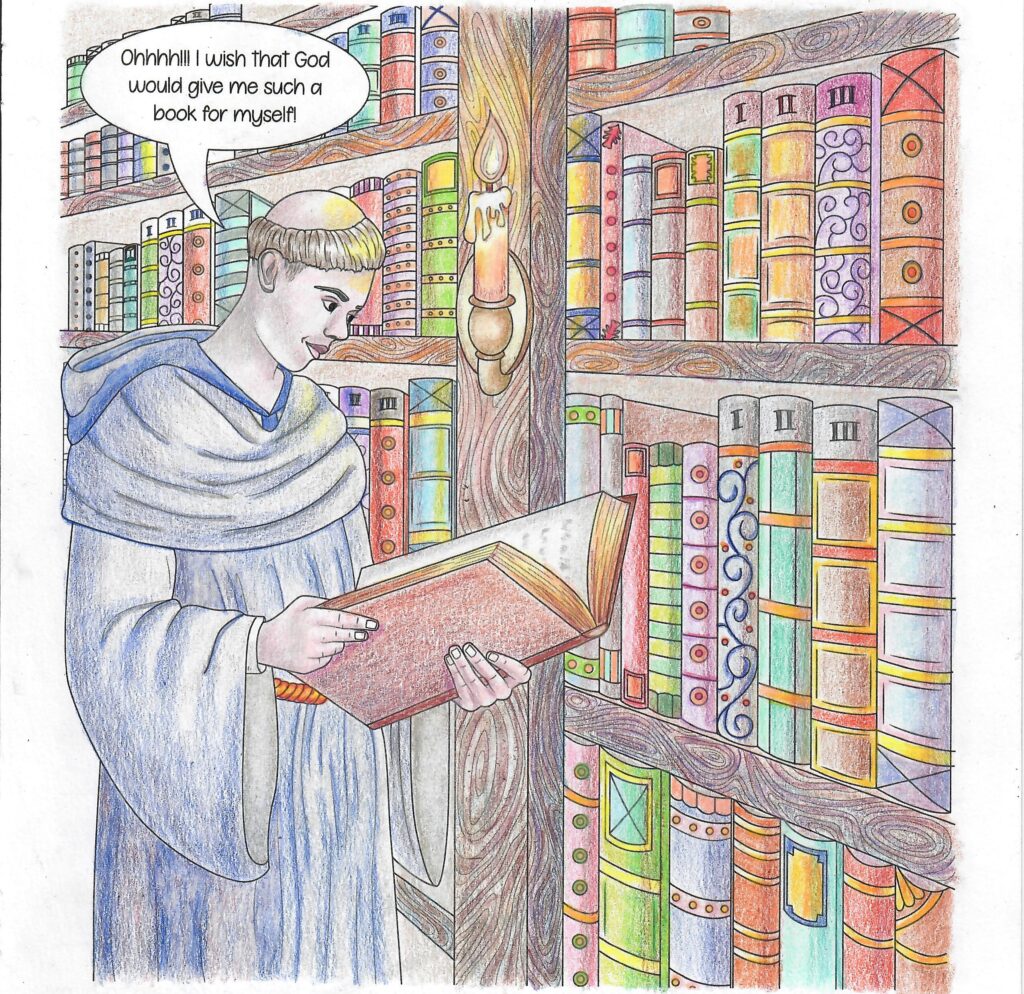
Angels of heaven were by his side, and rays of light from the throne of God revealed the treasures of truth to his understanding. He was always afraid of offending God, but now the deep conviction of his condition as a sinner took a hold of him as never before.
11
Luther led a very rigorous life, striving by fasting, vigils, and scourging, to overcome the evils of his nature, from which the monastic life brought no release. At one point, the pope promised an indulgence to everyone who climbed Pilate’s staircase on his knees.
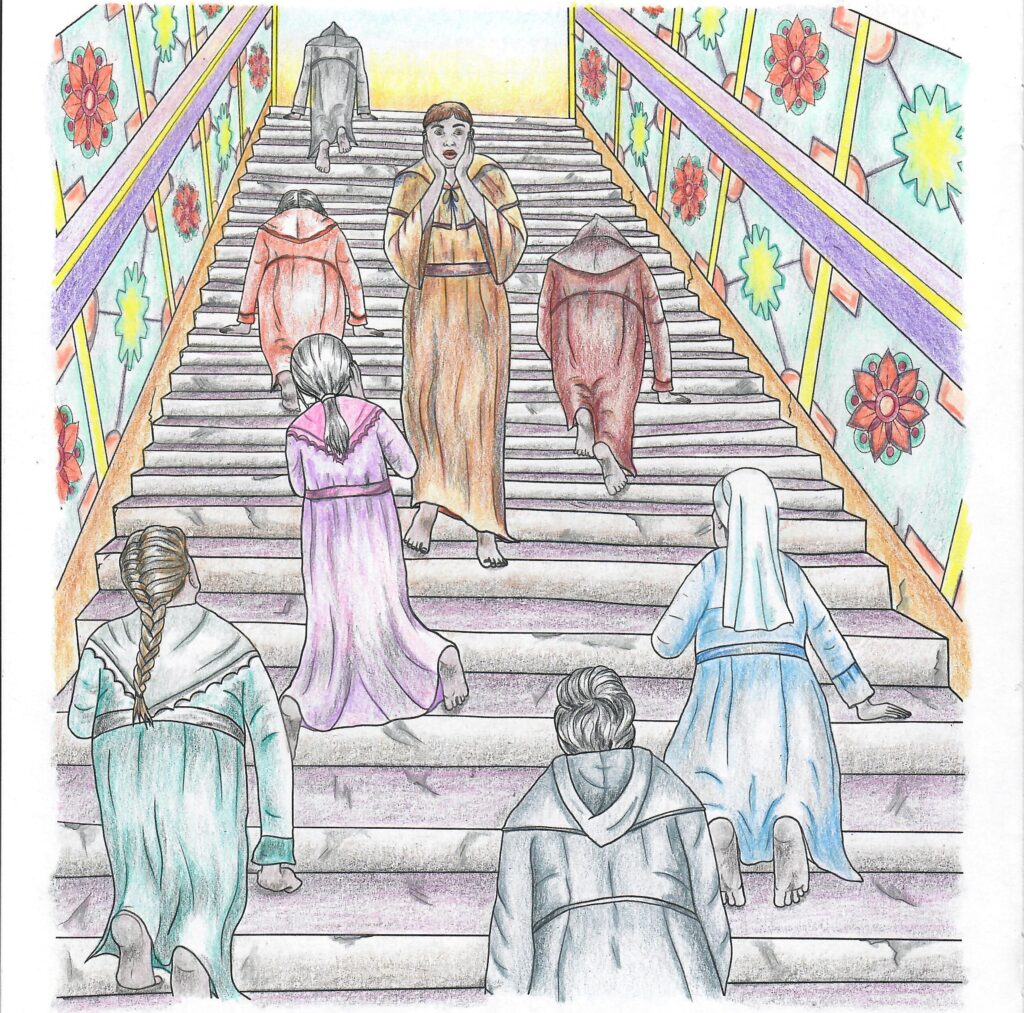
Luther was climbing these steps one day, when suddenly a voice like thunder said to him: “The just shall live by faith!” He jumped to his feet and ran away in shame and horror. His eyes had been opened to the delusions of the papacy, and his heart was separated from Rome. The separation grew wider, until he cut off all connection with the papal church.
12